


Test your defenses.
Understand impact.
Plan improvements.
Evaluate how security weaknesses could affect your business through controlled, authorized testing. Judah Technologies helps define the engagement, assess agreed systems, document findings, and organize practical recommendations around the risks that matter to your operations.
Penetration testing planning and services for businesses in Statesboro and Southeast Georgia.

Define the scope. Test agreed defenses. Use the evidence to plan your next security improvements.

Understand what a weakness could allow.
Controlled testing can help your team understand whether selected weaknesses can be validated and what access or impact they could allow. We begin with the business questions you want answered and the systems you are authorized to include.
The engagement sets the test boundaries, methods, schedule, and communication process. Findings are reviewed in context, with evidence and recommended actions that help your team decide what to fix and how to check the results.
A defined engagement, from scope to follow-up.
Plan the testing, understand the results, and turn the agreed findings into practical security work.
Agree on the objectives before testing begins.
We help define the systems, business goals, permitted methods, and operating constraints for an authorized penetration testing engagement.
- Written authorization, test boundaries, and agreed objectives
- Testing windows, contacts, and stop conditions
- Access requirements and evidence-handling arrangements
Examine approved services exposed to the internet.
Testing can focus on selected internet-facing systems to assess exposure and validate weaknesses using methods permitted by the engagement.
- Review of authorized public-facing systems and services
- Controlled validation of relevant security weaknesses
- Documentation of access, exposure, and potential impact
Evaluate access within the agreed environment.
Internal testing can examine how permissions, configuration, and network boundaries affect access from an approved starting point.
- Defined internal test access and selected system coverage
- Review and validation of access-control weaknesses
- Assessment of agreed network boundaries and segmentation
Assess selected business application controls.
Where included in scope, testing can examine approved web applications and how their security controls handle users, sessions, and access to functions.
- Agreed application areas, test accounts, and user roles
- Authentication, session, and authorization checks
- Controlled validation and evidence for confirmed findings
Make the results useful to your business.
We organize findings so decision-makers and technical staff can understand what was tested, what was observed, and why the results matter.
- Management summary and documented test coverage
- Supporting evidence, affected systems, and impact context
- Prioritized recommendations with assessment limitations
Follow through on the findings that matter.
We help plan corrective work and arrange agreed retesting to check whether selected findings have been addressed.
- Practical guidance for configuration, access, or software fixes
- Coordination with your IT team and relevant providers
- Targeted retesting and documented follow-up results
Authorized targets, testing methods, schedule, access, reporting, corrective work, and retesting are defined and quoted for each engagement. Findings reflect the agreed coverage and conditions at the time of testing.
Defined scope.
Useful evidence.
Clear priorities.
Your team should understand the purpose of the test, what the results demonstrate, and which improvements deserve attention.
- Testing objectives shaped around your business and systems.
- Clear boundaries, communication, and handling of findings.
- Practical recommendations for your team and service providers.
- Local guidance from Statesboro, Georgia.
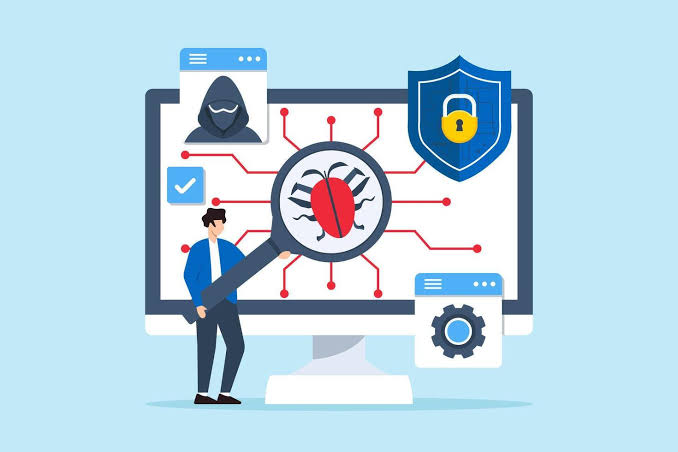

Turn a security question into a defined engagement.
Whether you want to evaluate an exposed service, an internal network, or a business application, start by defining the question and the scope. We can help organize the testing approach and the deliverables your team needs.
Questions about penetration testing?
Understand how an engagement is scoped, how testing is coordinated, and what your business receives afterward.
How does penetration testing differ from vulnerability scanning?
Vulnerability scanning identifies potential weaknesses using automated checks. Penetration testing can include controlled attempts to validate selected weaknesses and understand their impact within an agreed scope. Scanning may support the work, while the engagement also defines validation methods, evidence, and reporting.
Which systems can be included in a test?
An engagement may include selected external services, internal networks, or web applications, depending on the objectives and available expertise and access. We confirm authorized targets, ownership, provider requirements, and test boundaries before work begins. Each system and test method must be included in the agreed scope.
Could testing affect our normal operations?
Active testing can affect systems, so the approach is planned around your environment and operating requirements. We agree on test windows, permitted methods, contacts, and conditions for pausing work. Sensitive systems or higher-impact checks may need additional coordination or a separate test environment.
What will the penetration testing report include?
The agreed report can include test scope, coverage, confirmed findings, supporting evidence, business impact, and recommended corrective actions. It also explains limitations and relative priorities. We review the results with your team so they can be used to plan practical improvements.
Can you help with fixes and retesting?
We can help plan supported corrective work or coordinate with the teams responsible for the affected systems. Retesting checks selected findings after changes are completed. Implementation, retest coverage, and follow-up reporting are defined in the engagement or quoted separately.
Define your test.
Plan your next steps.
Tell us what you want to evaluate and which business systems may be in scope. Judah Technologies will follow up to discuss your objectives, requirements, and the next steps for a testing engagement.
- Scoped external, internal, and application testing.
- Findings, business impact, and corrective-action guidance.
- A clear engagement scope, deliverables, and pricing.
Tell us about your testing goals.
We will use these details to respond to your request. Please do not include passwords or sensitive account information.